Aid isn’t dead—it just needs to get smarter
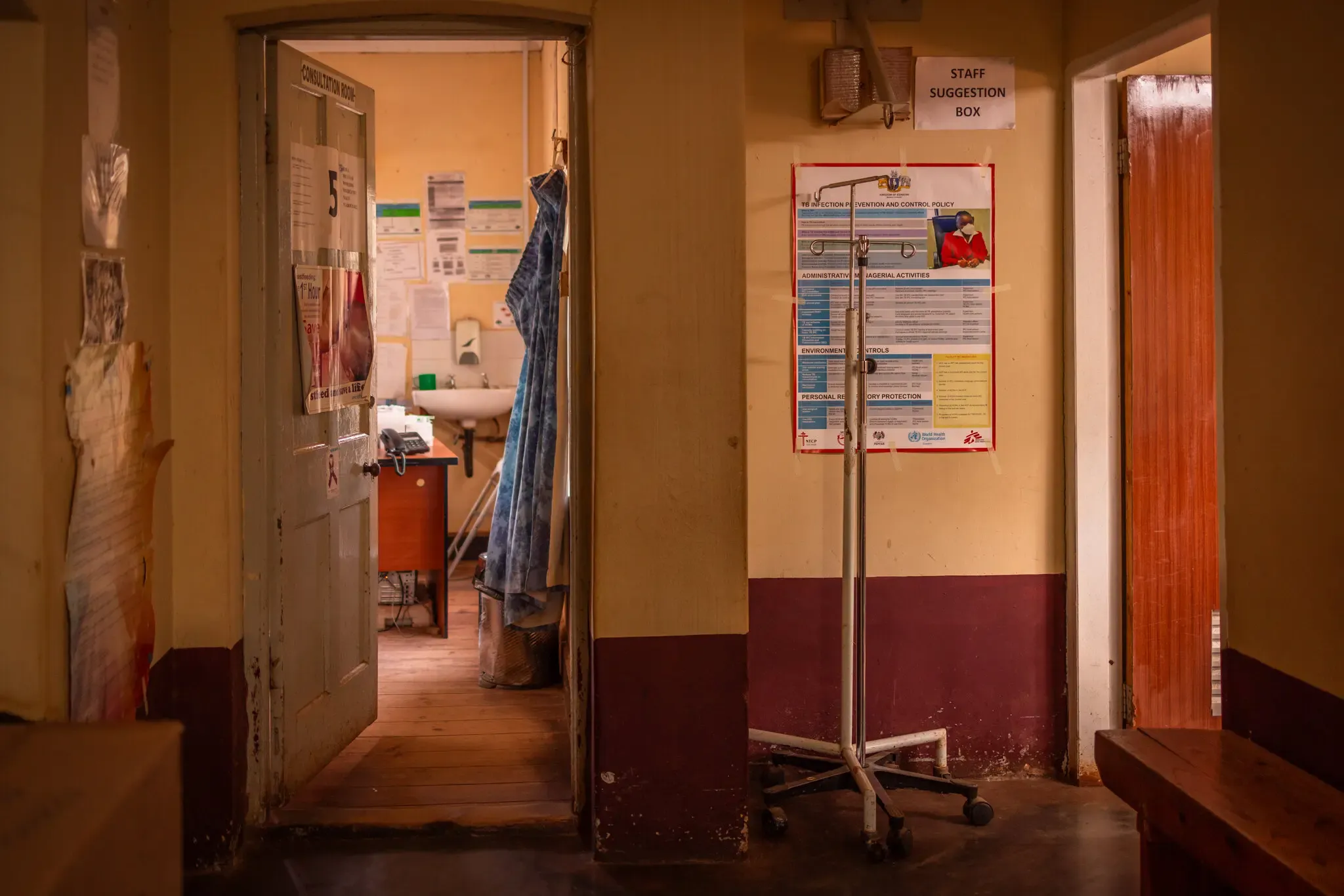
▲ Photo by Gulshan Khan for The New York Times
I was an economist at USAID when aid funding was slashed early last year. Since the dismantling of USAID, the public conversation about aid has focused almost entirely on what has been lost. There have been widespread budget cuts, hundreds of thousands have already died and, according to some estimates, millions will die over the course of the next decade as a delayed result of the aid disruption.
But aid is not a lost cause—far from it. It’s true that there have been widespread cuts, but there is still well over a hundred billion dollars being spent every year. This February, President Trump signed a bipartisan bill that recommitted $50 billion in foreign assistance. The issue is that we’re not prioritizing this funding to what will save the most lives. Our task now is to make sure that each remaining dollar is spent in the way that will save and improve the most lives.
In order to preserve the impact of aid despite its reduction in scale, we need to confront three realities.
First, the impact of aid cuts is profoundly inequitable: those living in the most vulnerable, low-income countries are likely to be hit hardest. Though often lumped together as "LMICs," low-income countries face disease burdens three times higher per capita than middle-income countries, and for easily preventable deaths like malaria, the gap widens to 40-fold. When cuts fall evenly across all recipients, the impact is anything but equal.1
These countries also have little domestic fiscal capacity to fill funding gaps. The OECD estimates that aid has fallen by 25% since its 2023 peak. I calculate that low-income countries would need to find an additional 11.3% of government spending on average to cover a 25% cut, and middle-income countries only 0.1%. Middle-income countries are therefore in a dramatically better position to absorb cuts without threatening essential services, meaning that funding a health program in a low-income country is both more impactful and more counterfactual.
Unfortunately, the new bilateral health compacts being negotiated by the State Department compound this inequity. Each compact requires recipient countries to make co-investment pledges that increase over five years, which would be perhaps achievable for Kenya, a lower-middle-income country, but ruinous for Madagascar, among the world's poorest. A reduction in U.S. health support will not fall evenly. It will devastate the countries with the fewest alternatives. The OECD forecasts that the poorest countries and most essential services will be hardest-hit by aid withdrawals. Multilaterals and government aid agencies urgently need a new funding strategy tailored specifically to low-income geographies. Philanthropists seeking to mitigate the effects of the aid cuts must also take heed to prioritise funding toward the most urgent and highest-impact gaps.
This is how we come to the second reality: in order to further stretch our dollar, we need to pay attention to the massive quantity of evidence that exists on how to spend foreign aid effectively. The first priority must be saving lives from preventable diseases, especially among children. Malaria kills a child every minute, despite the existence of proven preventive treatments and massively well-studied interventions for distributing them. The best interventions in global health (like malaria prevention, infant immunization, and Vitamin A supplementation) can save 10 or 20 times more lives per dollar spent than others. These gains are on top of the benefits of shifting funding to higher-need geographies. Funding what we know works is crucial for stretching smaller budgets.
The third reality is that private philanthropy cannot fill the entire gap left by governments, nor should it try: hard decisions need to be made.
I moved to private philanthropy to try to fill some of the gaps left by aid withdrawal. Through Founders Pledge's Rapid Response Fund, my team funded programs that government aid abandoned, including evidence-based interventions that lost support overnight. We've learned something crucial: a little money, strategically deployed, can save thousands of lives — but while it’s highly effective, it’s not enough. Aid and health financing is still crucial to ensure enough volume of funding.
The Gates Foundation, the world’s largest private philanthropy, is spending $9 billion a year, which is just 5%2 of development assistance post-cuts. Additionally, while philanthropy excels at targeted interventions, it can't replace government's role in areas like coordination, global health architecture, and pandemic preparedness. To that end, our Catalytic Impact Fund has recently made funds to help LMIC governments improve their own financial resiliency, which we’ll be sharing in our next blog.
The most sophisticated philanthropists see the writing on the wall. It’s become necessary to focus ruthlessly on what works and its core competencies, even if it means saying no to worthy causes. Every funder who claims to care about saving lives owes the world an honest answer: Are you funding what works, or what feels good? Those are no longer the same thing, if they ever were. Every dollar matters now in a way it didn’t before. We need to act like it.