Our 2025 Impact Report is out now!

Read the report
Header visual

Animal Welfare Fund

Billions of lives. A fraction of the funding.

Our Animal Welfare Fund backs exceptionally cost-effective interventions to reform and replace factory farming. Whether you care about reducing animal suffering, reducing pandemic risk, or both, join us in funding solutions for one of the most neglected causes in philanthropy.

What we do

Reform and replace the world's most harmful food systems

More than 80 billion land animals are slaughtered for food each year, often using methods that cause extreme suffering.

Despite the scale, less than 0.1% of global philanthropy addresses factory farming. The entire global movement of animal welfare advocates operates on less funding in a year than a single major meat company earns in two days.

That gap between the size of the problem and the resources dedicated to solving it is what makes this one of the most impactful places to give.

Our Animal Welfare Fund directs donor capital toward interventions with the strongest evidence of impact per dollar:

  • Corporate welfare campaigns
  • Humane technology
  • Regulatory reform
  • Alternative proteins
Illustrative image

Why choose the Animal Welfare Fund?

Our members donate to the animal welfare cause area for two distinct reasons: reduce animal suffering and reduce risks to humanity. Read more on each of these areas below.

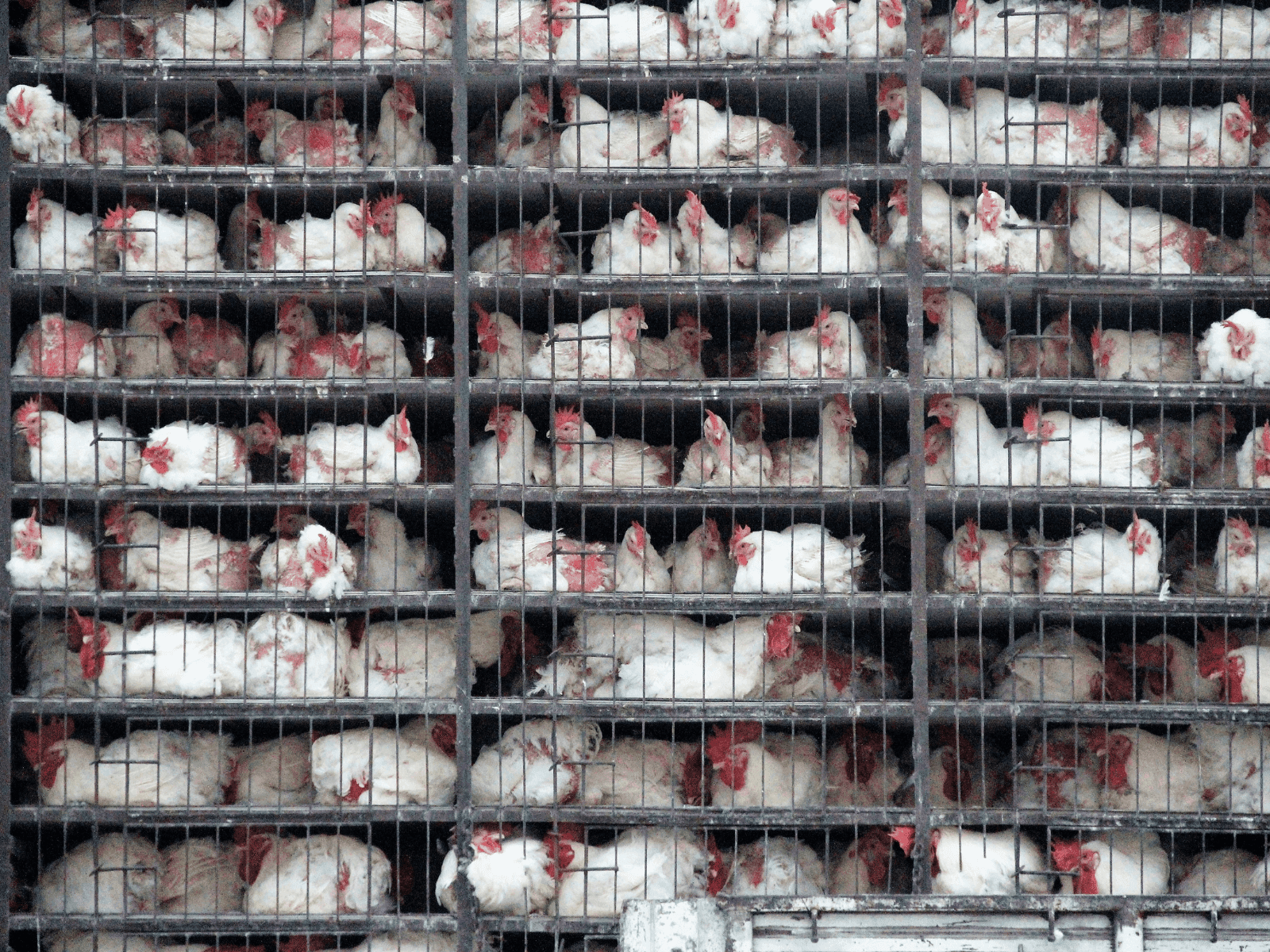
Battery chickens
1 / 6

Reduce animal suffering

Sentient beings are capable of experiencing pain, distress, and suffering.

The scientific consensus, reflected in the Cambridge Declaration on Consciousness and subsequent research, is that the neural substrates of conscious experience are not unique to humans.

Circles
1 / 6

If we care about reducing preventable suffering, the sheer number of animals affected and the intensity of their suffering makes factory farming one of the largest moral problems in the world.

Factory farming inflicts severe, sustained suffering on tens of billions of sentient beings every year. The scale is difficult to comprehend:

1 / 6

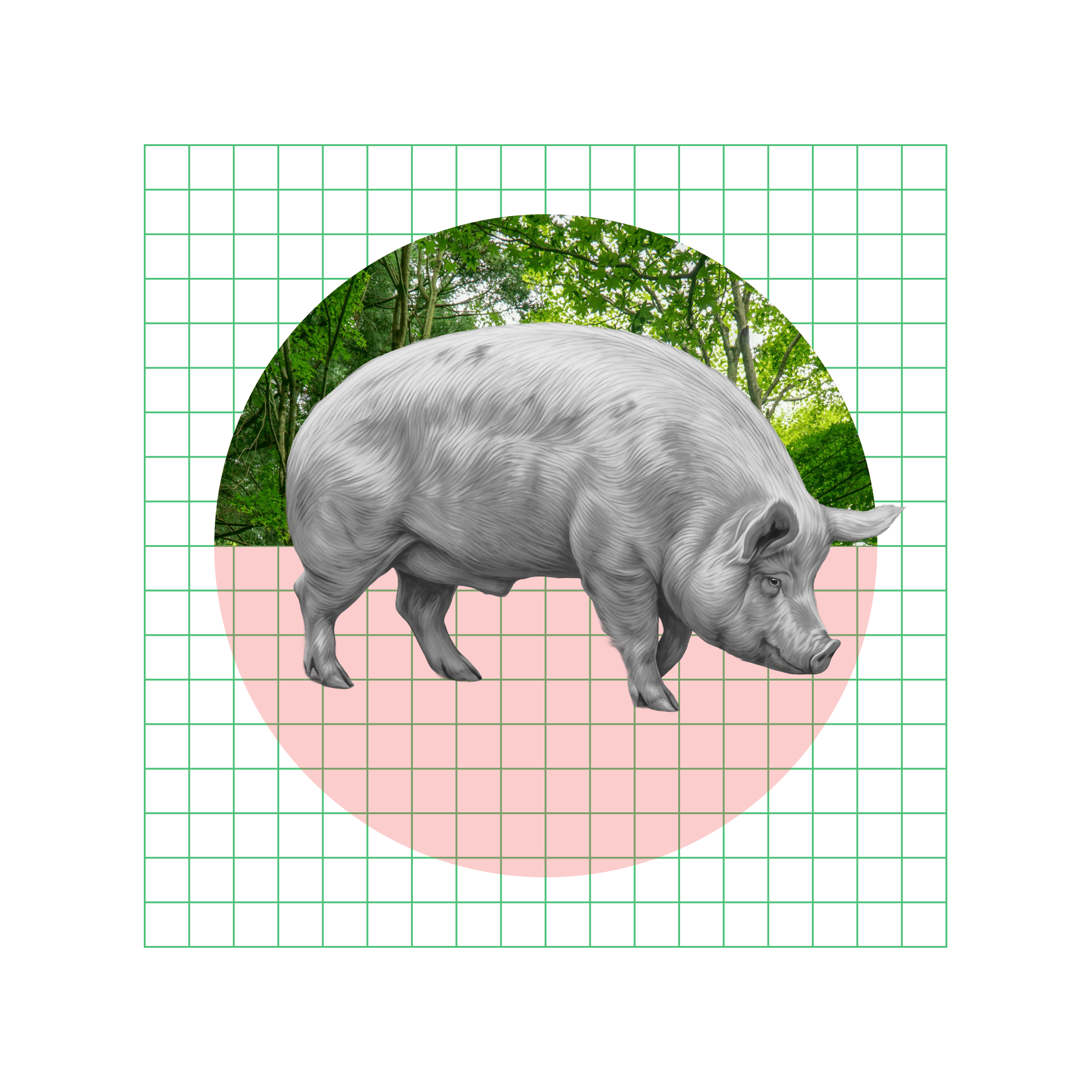
Pigs in gestation crates are confined in metal enclosures so narrow they cannot turn around, for most of their pregnancies.

1 / 6

Broiler chickens have been selectively bred for such rapid growth that many cannot support their own body weight, leading to chronic pain, leg deformities, and heart failure.

1 / 6

Fish are farmed with minimal understanding of how to raise or slaughter them humanely. Many spend years suffering from disease, stress, and injury before they are killed, often while still conscious.

1 / 6

This is a solvable problem. Advocates are winning concrete reforms at remarkably low cost per animal affected. Cost-effectiveness analyses have found that for every dollar donated to leading corporate campaign organizations, the lives of between 10 and 160 birds are improved. Few other cause areas offer impact at this ratio.

1 / 5

Reduce risks to humanity

Industrial animal agriculture is a major, and largely unaddressed, driver of many other downstream risks.

Circles
1 / 5

Pandemic risk

Intensive animal agriculture is one of the highest-risk vectors for the emergence of novel infectious diseases. Factory farm conditions create ideal breeding grounds for pathogens and accelerate the spillover of emerging infectious diseases from animals to humans.

Three of the four most recent influenza pandemics originated in animal populations. Antibiotic-resistant bacteria, driven in part by the routine use of antibiotics in livestock, represent one of the fastest-growing threats to global public health.

1 / 5

Climate change

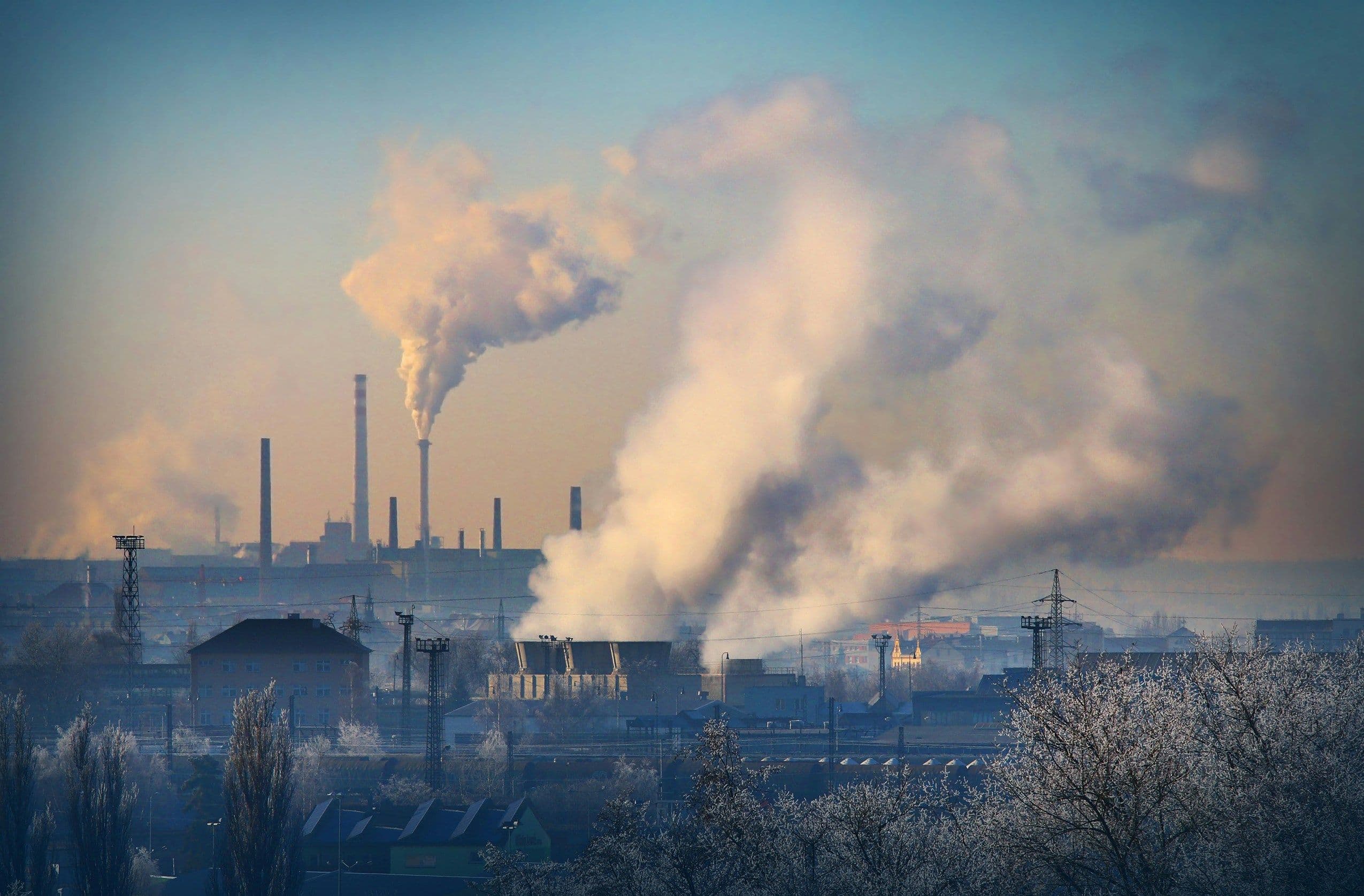
Livestock production contributes an estimated 14.5% of global greenhouse gas emissions, a share expected to grow as demand for animal products rises in developing economies.

This includes methane from ruminant digestion, nitrous oxide from manure management, and carbon dioxide from land-use change driven by feed crop production.

1 / 5

Biodiversity loss and environmental degradation

Animal agriculture is identified as a leading driver of habitat destruction, monoculture expansion for animal feed, and waterway pollution from nutrient runoff.

Agriculture, driven largely by animal farming, threatens an estimated 86% of species at risk of extinction.

1 / 5

Reducing the scale and intensity of factory farming is one of the most upstream, cost-effective interventions available for tackling these problems.

Our grants

Give to the Animal Welfare Fund