


Global Catastrophic Risks Program
Our Objective
Stop the next global catastrophe in its tracks
▲ Source: Vishnu Mohanan on Unsplash
We live in an era of new perils.
Advanced AI systems are arriving sooner than expected. The nuclear landscape is growing more complex as arms control agreements lapse. And biosecurity remains severely underfunded.
These global catastrophic risks have the potential to kill hundreds of millions, even billions, of people. Addressing these risks, especially the transition to increasingly powerful AI, will require sustained international cooperation. Yet far too little philanthropic capital is directed toward building the relationships and institutions that make cooperation possible.
We– scientists, policymakers, engineers, military leaders, and motivated citizens – can come together to mitigate these risks. It's happened before. During the Cold War, political leaders negotiated to reduce stockpiles of weapons of mass destruction. At the turn of the millennium, scientists tracked large asteroids and comets in Earth’s vicinity. Today, international tensions are unusually high, but even geopolitical rivals are working together on global preparedness for the next pandemic disease.
Our Global Catastrophic Risks Program tackles far-future threats and takes action now to help protect every human being alive today. We aim to:
- Reduce the probability of large-scale catastrophic events;
- Mitigate the potential negative impacts of these events if they occur;
- Improve the ability to anticipate new and emerging risks on the horizon.
Want to tackle climate change? We have an entire program dedicated to it.
Our strategy
▲ Source: Google DeepMind on Unsplash
We find the gaps, build the projects, and move faster than the largest funders can.
- Active grantmaking. When we identify an intervention that should exist but doesn't, we bring it into being: finding the right team, co-designing the agenda, and providing the initial funding. One example is the Conclave on Great Powers and Extreme Risks at the US National Academy of Sciences, which we originated and which has since attracted additional funders.
- Speed and independence. The philanthropic landscape for catastrophic risk is growing but concentrated among a small number of large funders. We fill gaps where the largest funders' capital is too slow, too politically constrained, or too closely associated with specific actors. Our independence is a strategic asset.
- Co-funding and ecosystem-building. In fields like biosecurity, we work alongside partners to diversify funding streams, crowd in new donors, and strengthen the resilience of the field, so that critical work doesn't depend on any single funder.
Our research portfolios
The GCR Program operates across four interconnected sub-portfolios, unified by a single thesis: ensuring cooperation between great powers is a precondition for successfully navigating transformative technology.
Explore our flagship reports on biosecurity, advanced AI risks, right-of-boom nuclear interventions, and more.

▲ Source: Resource Database on Unsplash
Great power conflict and nuclear risk
We fund backchannel diplomacy between current, former, and likely future officials of rival powers (sometimes called "Track II" or "Track 1.5" dialogues), confidence-building measures for military AI, and interventions to reduce nuclear risk. Currently, backchannel diplomacy programs involving the US receive just $1 to $4 million per year in total philanthropic funding, with Founders Pledge being one of the largest funders in this space. These are among the highest-leverage, most underfunded areas in catastrophic risk reduction.
AI safety and governance
AI capabilities are advancing faster than the institutions designed to govern them. We fund work that connects technical safety research to real-world policy: evaluation and control infrastructure that bridges the gap between the lab and deployment, scenario exercises and dialogues that prepare policymakers for what advanced AI systems will demand of them, and politically resilient advocacy that can survive changes in administration.
Biosecurity
Advances in biosecurity, especially in combination with advanced AI, could lead to human extinction. Despite this risk, total philanthropic funding for catastrophic biosecurity remains in the tens to low hundreds of millions annually. We work with partner organizations, particularly Coefficient Giving, to fill ecosystem gaps, bring in new donors, and work to build a more diversified and resilient funding base for the field as a whole.
Experimental
We allocate a portion of funds for promising opportunities that don't fit neatly into the three main areas, such as cross-hazard resilience, threat-agnostic detection and response, forecasting infrastructure, or novel cause areas uncovered by our research. Some of our most effective grants have come from staying open to the unexpected.
Explore our funds
The GCR Fund finds the highest-impact interventions to reduce catastrophic risk, and when they don't yet exist, we create them. We are one of the largest philanthropic funders of backchannel diplomacy between rival powers. Your donation supports an expert-led portfolio spanning AI safety, biosecurity, nuclear risk, and great-power coordination, focused on the gaps that matter most.
The Patient Philanthropy Fund is humanity's emergency fund. We pool contributions, invest them for long-term growth, and hold them in reserve until the point when they can do the most good for future generations, which may be decades away. Where our Global Catastrophic Risks Fund deploys capital now to confront the threats already in front of us, the PPF plays the long game, compounding so it stands ready when a crucial moment finally arrives.
Meet the team
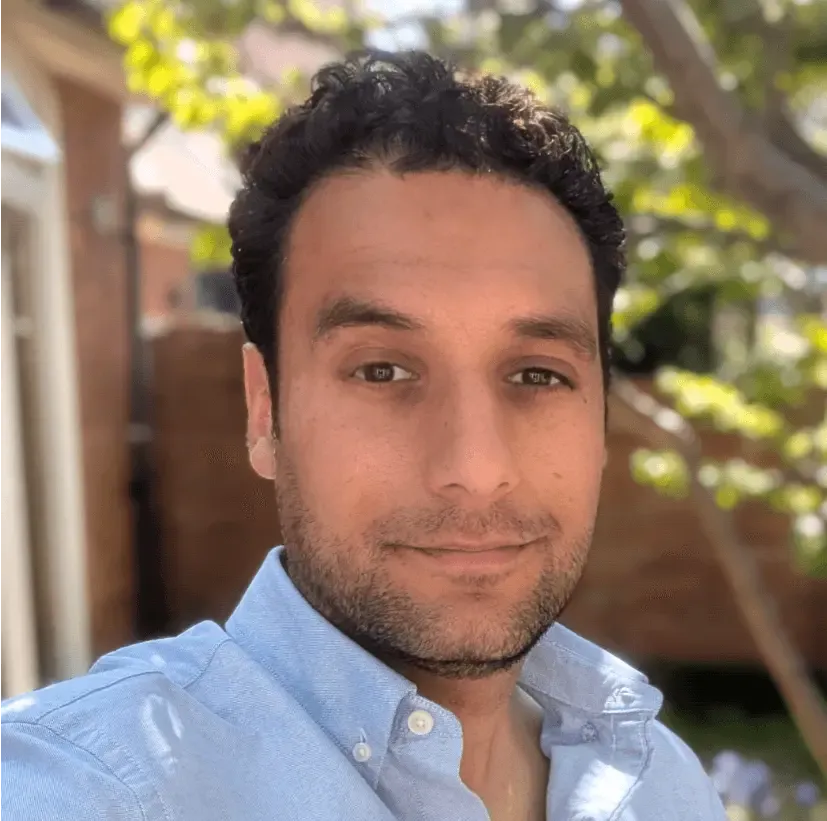
Sammy Martin
Program Lead
Sammy Martin is the Program Lead on the Global Catastrophic Risks team at Founders Pledge. His research focuses on identifying high-impact funding opportunities related to AI safety, international security, and other existential risks to help guide strategic philanthropy.
Before joining Founders Pledge in 2025, Sammy was a Research Associate at the Transformative Futures Institute, where he worked on forecasting catastrophic AI risks. His experience includes a PIBBSS Fellowship focused on AI misuse risks, and research roles with the Centre on Long-term Risk investigating AI conflict scenarios.
Sammy holds an MSc in Artificial Intelligence from the University of Edinburgh and a BSc First Class in Physics and Philosophy from Durham University. Outside of work, he has interests in history, philosophy and science fiction.
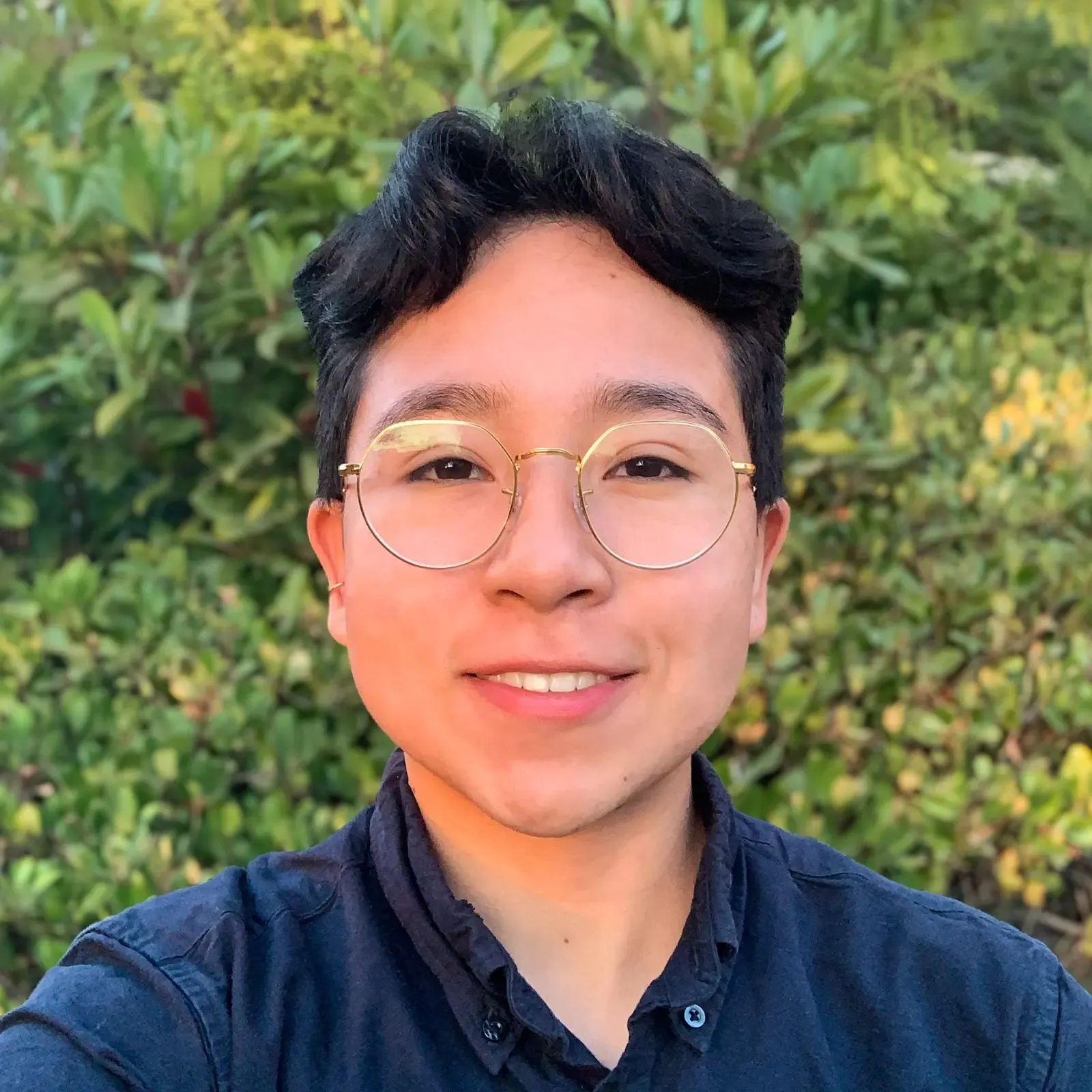
Eli Sepulveda
Research Assistant
Eli Sepulveda joined Founders Pledge in October 2024 as a Research Assistant for the Global Catastrophic Risks Fund. He is a transfer student at the University of California, Los Angeles (UCLA), where he studies International Development and Philosophy. Prior to transferring, he studied at Irvine Valley College, where he competed internationally in debate and served as president of his college's Model United Nations team.
In his free time, Eli enjoys film photography, rock climbing, and cooking for friends.